
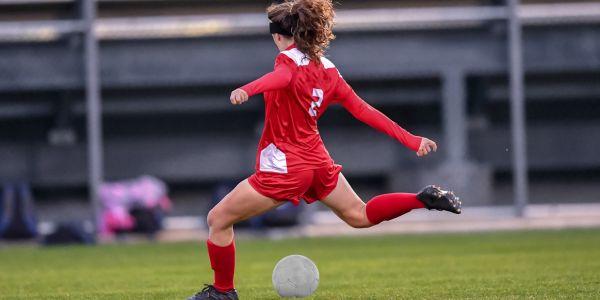
Find answers to the most common questions sports parents ask about youth sports psychology, mental performance coaching, and helping young athletes build confidence, focus, and resilience. Parents can see when their athletes under perform in competition. Here. we answer sport parent questions about performance and mindset and out mental performance coaching programs.
Frequently Asked Questions
About Our Mental Performance Coaching Program
Everything you need to know before booking a session for your young athlete.
What is youth sports psychology coaching?
Youth sports psychology coaching, also called mental performance coaching, helps young athletes build the mental skills that support confidence, focus, and composure in competition. Programs typically help athletes carry confidence from practice into games, let go of mistakes and setbacks quickly, and manage distractions and negative self-talk so they can perform with a clear mind under pressure.
Who is behind Youth Sports Psychology?
Youth Sports Psychology was developed by Dr. Patrick Cohn, a mental performance coach and founder of Peak Performance Sports, LLC, along with his sister Lisa Cohn, a parenting writer and sports mom of four. Together they created this site to give sports parents, coaches, and young athletes practical, expert guidance on the mental side of youth sports.
Who are the mental performance coaches?
Peak Performance Sports’ coaching team includes Dr. Patrick Cohn, founder and mental training expert; Jaclyn Ellis, M.S., MGCP; Lane Schwartz, M.S., MGCP; and Carolyne Lawley, M.S., MGCP. Each coach holds an advanced degree in sport or exercise psychology and has a background in competitive athletics or coaching. When you contact the team, you’re matched with the coach who best fits your child’s sport, age, and mental game challenges.
What does a mental performance coaching program include?
Every program includes the Young Athlete’s Mental Aptitude Assessment (YAMAP) to identify specific mental game barriers, a parent intake assessment, a custom weekly Mental Game Plan, weekly Zoom coaching sessions, unlimited email correspondence, and the Athlete’s Mental Edge workbook with audio exercises.
Is mental performance coaching done in person or online?
Coaching is conducted virtually via Zoom, so young athletes and families can work with a coach from anywhere in the world, with no travel required. Most families are able to start within about a week of reaching out.
What age is mental performance coaching appropriate for?
Mental performance coaching is designed for young athletes ages 12 and up, including middle school, high school, club, and travel team athletes. This is typically the age when competitive pressure and the gap between practice and game performance become noticeable.
How much does mental performance coaching cost?
Self-guided digital training programs, including The Confident Sports Kid, start from $89. One-on-one virtual coaching programs include weekly sessions with a certified mental performance coach, the YAMAP assessment, a custom mental game plan, unlimited email support, and the Athlete’s Mental Edge workbook. Contact the team for full coaching pricing.
How quickly will my child see results from mental performance coaching?
Most young athletes notice a shift in mindset within the first few sessions, particularly in how they handle mistakes, pregame nerves, and frustration. Measurable improvements in competition confidence, composure, and consistency typically develop over 4 to 8 weeks, depending on how actively the athlete applies the skills and how well the family reinforces them at home.
How do I get started with mental performance coaching?
The best first step is to book a free introductory Zoom session to talk through your young athlete’s specific challenges, whether that’s confidence, focus, or handling pressure. You can also call 407-909-1700 with any questions before getting started.
Book a free Zoom session with a mental performance coach at Peak Performance Sports, LLC, or call 407-909-1700, to get started.
Other Common Questions from Sports Parents
Why does my child cry or shut down after coach feedback?
Young athletes often haven’t yet learned to separate a correction about their performance from their sense of self-worth. A comment about their play can feel like a judgment of who they are, which triggers an emotional response like crying or shutting down.
Is it normal for young athletes to hate criticism?
Yes, it’s common for young athletes to feel uncomfortable with criticism, especially early in their development. Learning to accept and use feedback is a skill that improves with practice and support, not something most kids start out doing well.
Why do some kids quit sports after a tough loss?
Kids often quit after a tough loss when they start to see the result as proof they aren’t good enough, rather than as one moment in a longer journey. Helping them separate their identity from a single result can prevent this pattern.
Can losing actually make a young athlete better?
Yes. Torri Huske’s fourth-place finish at the Tokyo Olympics fueled three years of training that led to Olympic gold in Paris. A loss that gets processed and acted on can build more resilience and confidence than an easy win ever would.
How do emotions affect young athletes’ performance in sports?
Emotions affect young athletes in four key ways: they alter physiology (heart rate, breathing, muscle tension), they disrupt focus and produce negative thinking, they slow reactions and reduce technical quality, and they drain energy. Research in sports psychology shows that athletes who manage emotions effectively perform more consistently under competitive pressure.
What should my child do when they get a bad call in a game?
Teach your child to take several slow, deep breaths immediately after a frustrating moment. Research on controlled breathing shows it is one of the fastest ways to calm the stress response. Then use a short cue phrase like “next play” to redirect attention to the present. Practice this in training so it becomes automatic under competitive stress.
How common is conflict in youth sports?
Conflict in youth sports is extremely common at every level of competition. Athletes experience friction with coaches over playing time and decisions, with teammates over roles and effort, and even with parents over expectations. Conflict itself is not the problem. The problem is when it goes unaddressed and begins to affect youth athlete mental health and team cohesion.
What should a parent do when their child is in conflict with a coach?
Start by listening to your child fully before drawing any conclusions. Then help them identify whether the conflict stems from a misunderstanding, a difference in expectations, or a genuine concern about how they are being treated. In most cases, the first step is helping your athlete have a calm, respectful conversation directly with the coach. If the issue involves your child’s safety or emotional well-being, involve the appropriate program administrators.
Can a shy or introverted child become a leader in youth sports?
Yes. Leadership in youth sports doesn’t require being loud or outgoing. Introverted athletes often lead through consistency, composure, and steady support of teammates. A quiet kid who shows up every day, works hard, and lifts teammates in small moments is already leading. Coaches who rotate leadership roles and recognize different leadership styles help introverted athletes find and grow their natural approach.
How can sports parents encourage leadership without putting pressure on their kids?
Ask questions instead of giving instructions. After a game, ask “Was there a moment where you helped the team?” rather than “Why didn’t you speak up more?” Noticing and naming the small leadership moments your sports kid already has builds awareness and confidence without adding pressure. The goal is helping them see what they’re already doing, not adding another performance expectation.
What if I get emotional during games?
Emotional reactions are normal. The goal isn’t perfection—it’s recovery. Recognize the reaction, reset your focus, and return to your role as supporter.
How does parent focus impact athlete confidence?
When parents stay focused during elite competition, athletes feel safer taking risks, making mistakes, and competing freely—key ingredients for long-term confidence and development.
Related Articles
- How Young Athletes Can Handle Criticism
- Helping Young Athletes Bounce Back From Loses
- How Can Young Athletes Master Their Emotions in Competition?
- 4 Steps to Help Young Athletes Manage Conflict in Youth Sports
- How to Develop Leadership in Youth Sports: Tips for Parent and Coaches
- 3 Tips for Sports Parents to Stay Focused
Still have questions about helping your young athlete build mental toughness? Book a free Zoom session with a mental performance coach, or call 407-909-1700, to talk through what your athlete is facing.