
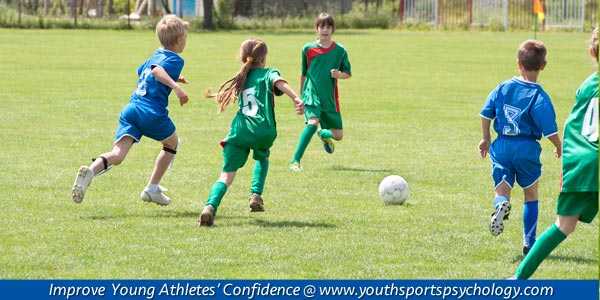
Sports Kids’ And Making Comparisons
What do you do when your young athlete’s confidence sinks every time a talented friend or teammate excels in sports?
This is a common problem for young athletes. Kids are social beings—and they tend to compare themselves to their friends. But in sports, this is a bad thing to do.
Making comparisons to other athletes hurts kids’ confidence.
Here’s one sports parent whose athlete struggles with this problem:
“My daughter is a sprinter, long jumper and hurdler. She lacks confidence generally, in particular because a friend seems to be a natural at everything and beats her. Her friend has done hurdles once and already beaten my daughter’s best time, which has shattered her self-confidence. How do I build her confidence back up?”
First of all, it’s critical to help young athletes stop comparing themselves to their friends. Easy to say, not so easy to do! That’s why you need to read on for this week’s tips…
The key to helping kids stop focusing on others’ talents.
Help them focus on their own abilities and strengths. Make sure they focus on their own game—and not others’.
To understand the problem, let’s begin with the example above….
The sports parent’s daughter has a talented friend. When kids have talented friends, they tend to judge themselves against very high standards…
They then become frustrated when they don’t meet these high standards, which are based on their gifted friends’ abilities—not their own.
In short, they focus so much on the other person that they forget what important traits they’re bringing to the game or event. They’re psyching themselves out.
Other examples:
- They are jealous and lose confidence when kids who play at the same level perform better than they do.
- They’re jealous of siblings who perform well.
- They worry that a taller, brawnier or bigger player might beat them.
- They’re intimidated when they play teams that have a high win record.
Okay, so how do you help these kids focus on their own abilities and their own game?
First of all, it’s important for young athletes to understand the pitfalls of comparing themselves to others. Comparisons generally hurt both their performance and confidence. They need to commit to stop making comparisons for these reasons.
Just as important, it’s critical for kids to focus on what’s important. They need to focus on their own warm-up routine. They need to think about what they should do to perform well. They should not look at their opponents before a game and make comparisons.
Tell your young athletes they shouldn’t put other players on a pedestal. This psyches kids out. They’re in awe of the other players. Understand that all the players are only human. They’re not perfect, either.
Tell them to think about their own strengths and abilities.
- What’s unique about their style?
- Are they good team players?
- Good kickers?
- Do they excel at passing the ball?
They need to focus on their strengths.
Related Articles on Youth Sports:
- Help Sports Kids Turn Comparisons into Growth & Comradery
- Athletes Who Make Comparisons And How Parents Contribute
- Why Kids’ Self-Confidence Suffers When Sports Parents Make Comparisons
*Subscribe to The Sports Psychology Podcast on iTunes
*Subscribe to The Sports Psychology Podcast on Spotify
Help Young Athletes Boost Confidence in Sports!

Every day, we receive letters from parents like you who want their children and teens to excel in sports. However, these parents can see fear, doubt, and frustration on the faces of their kids who struggle with the “inner” game of sports. But these parents have no idea how to help their kids overcome the worries, expectations and self-defeating thoughts that prevent their young athletes from feeling confident and successful.
You can benefit from our 15-plus years’ of work in sports psychology and sports parenting research. Now, you can tap into our secrets to sports success through a cutting-edge, 14-day program that helps young athletes overcome the top “mental game” challenges that sports parents face—and the top challenges young athletes face.